ISC2 CC Domain 4: Network Security — A Clear, Structured Guide
Introduction If you’re studying for the ISC2 CC (Certified in Cybersecurity) certification, Domain 4 combines network fundamentals and security controls. […]
In this comprehensive guide, we’ll break down everything you need to know about physical and logical access controls, from the fences around data centers and data sensitivity classification to the sophisticated identity management systems running in the cloud
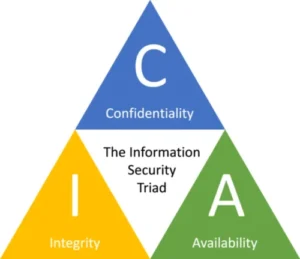
The concepts of CIA Triad, i.e., confidentiality, integrity, and availability, are introduced to all cyber security students prior to their first encounter with actual networks, systems and data. You remember the CIA Triad for an exam. You write it on flashcards. Since every CC, CISSP and CISM notes stresses its importance, you find yourself repeating “confidentiality integrity availability” over and over again. But the CIA Triad is not a lesson. It is a battlefield. It is what keeps cloud environments alive.
Control Self Assessment (CSA), a governance tool that enables process owners to regularly assess and enhance their own control environment, is being used by top organizations as a complementary measure. It provides management with a continuous, fact-based assessment of the effectiveness of security and compliance procedures. CSA helps close the gap between executive assurance and operational ownership.
The real test of an organization is not how well it functions in normal circumstances, but rather how it handles disasters and system failures. This resilience is specifically covered in Domain 2 of the ISC 2 Certified in Cybersecurity CC exam. It teaches how companies use Business Continuity Planning (BCP) to keep things running smoothly, Disaster Recovery Planning (DRP) to restore vital systems, and Incident Management to deal with emergencies.
ISC2 Certified in Cybersecurity (CC) certification is designed for people who are new to the field. This was done because more and more people are joining the cybersecurity workforce without having direct IT experience. The ISC2 Certified in Cybersecurity (CC) certification gives employers trust that you understand the right technological concepts and have proved that you can learn on the job.
The gender gap in cybersecurity remains one of the most persistent challenges in the digital era. Despite significant development and great demand for talent, there is still a gender gap in information security. Women only make up 26–28% of the worldwide cybersecurity workforce (ISC², 2024), which is lower than the norm for the ICT industry as a whole (35–40%).
Understanding cybersecurity domains is a prerequisite to building a successful, future-proof career in the digital world. When people hear the word “cybersecurity,” they usually think of hacking or antivirus software. However, the foundation of real-world cybersecurity is formed by professional, structured domains, each with its own tasks, tools, and skills
A phishing email protection in 2025 is a major challenge. One rushed click, One fake “verify now” link: Suddenly, your mailbox is compromised, followed by your bank, files, and identity. It simply vanished.
Understand how frameworks set strategy, standards define requirements, and regulations impose legal duties. Use NIST CSF and CIS to plan, ISO 27001/FIPS/PCI to implement, and map to GDPR, HIPAA, and UK DPA for clear, audit-ready compliance